Low-VOC and Sustainable Construction Chemicals: India’s Shift to Greener Building
Argues durability, not labels, is the defensible green claim; gives a five-point anti-greenwash check. Names IGBC and GRIHA but no VOC thresholds.
Key takeaways
- Green building has shifted from an optional credential to a baseline expectation on serious Indian projects, putting construction-chemical selection under earlier scrutiny.
- Low-VOC and water-based coatings improve indoor air quality and matter most in interiors occupied soon after application — always verify the stated VOC figure on the TDS.
- Durability is the most credible sustainability lever: a longer-lasting structure avoids a second round of materials, energy and waste, so waterproofing, repair and protective coatings are core green choices.
- Modern admixtures enable lower water-cement ratios and supplementary cementitious materials, helping cut cement reliance while improving durability — but only with a properly designed, trial-tested mix.
- Construction chemicals conserve water both during construction (curing compounds, controlled workability) and at scale (leak-free water and sewage treatment structures).
- Avoid greenwashing by reading data sheets, prioritising service-life benefits, confirming system compatibility, and relying on authorised distributor-applicator support.
The short version
Sustainability in Indian construction is no longer confined to glass-fronted IT campuses chasing a green plaque. It is filtering into mainstream specifications — residential towers, warehouses, water-retaining structures, infrastructure — driven by client demand, rating systems like IGBC and GRIHA, and a growing recognition that a durable building is, by definition, a greener one. Construction chemicals sit quietly at the centre of this shift. The admixture that lets you cut cement content, the coating that off-gasses less into an occupied office, the waterproofing system that prevents a slab being demolished and rebuilt a decade early — these are the unglamorous products that decide whether a “green” building actually performs over its life. This article looks at where the industry is heading, what low-VOC and sustainable construction chemicals actually mean in practice, and how Indian architects, engineers and contractors can specify them without falling for greenwash.
Why ‘green’ has become a baseline expectation, not a luxury
For years, sustainable construction in India was treated as an optional add-on — something you bolted on if the client wanted a certificate to display in the lobby. That framing is fading. Rating frameworks such as IGBC (Indian Green Building Council) and GRIHA (Green Rating for Integrated Habitat Assessment) have made specific material and indoor-environment criteria part of how serious projects are scored, and many institutional clients, developers and government tenders now reference green credentials as a condition rather than a bonus.
The practical effect on the ground is that material selection is being scrutinised earlier. Specifiers are being asked about the VOC content of paints and coatings, the embodied impact of cement-heavy mixes, and whether a system genuinely extends service life. For construction-chemicals buyers, this means the question has shifted from ‘does it work?’ to ‘does it work, last longer, and behave responsibly indoors and during application?’ The rest of this article unpacks each of those dimensions.
Low-VOC coatings: what the term means and where it matters
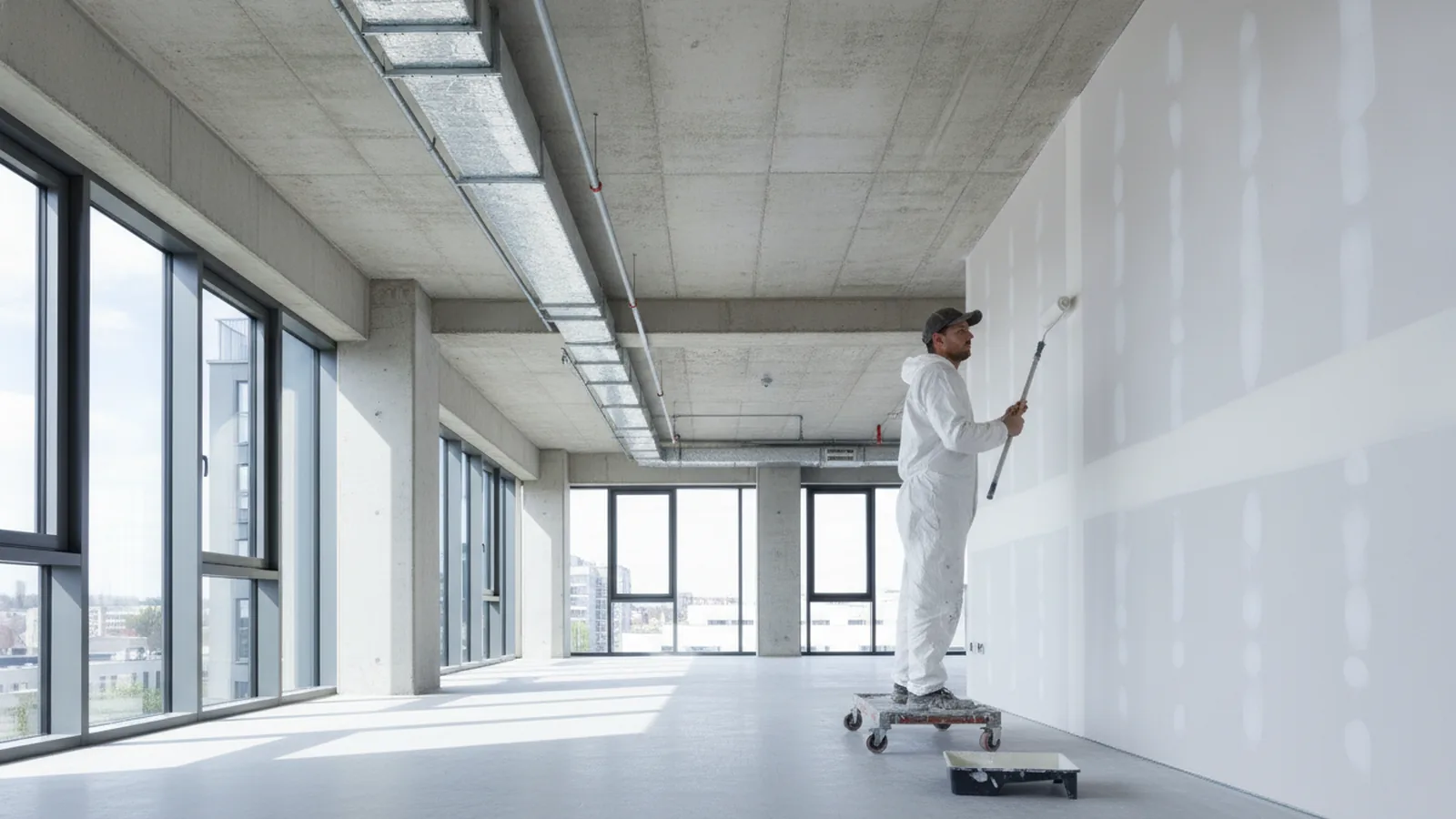
VOCs — volatile organic compounds — are the solvents and carriers that evaporate from many paints, coatings, adhesives and sealants as they cure. They are the source of that sharp ‘fresh paint’ smell, and in enclosed or occupied spaces they contribute to poor indoor air quality. Low-VOC and water-based formulations reduce that off-gassing, which matters most in interiors that are occupied soon after application: offices, hospitals, schools, hotels and homes.
In practice, the move toward greener coatings shows up across several product families. Water-based and high-solids protective coatings are increasingly specified where solvent-borne systems were once standard. Low-odour epoxy and polyurethane floor coatings make it possible to coat a working facility over a weekend without forcing a long evacuation. The key is to read the technical data sheet rather than the marketing line — look for stated VOC content, water-based chemistry, and any third-party or rating-system compliance the manufacturer cites.
- Interiors first: prioritise low-VOC systems where people occupy the space soon after work — offices, healthcare, hospitality, residential
- Match chemistry to exposure: a low-VOC interior wall coating is a different decision from an exterior anti-corrosive system on a coastal structure
- Verify, don’t assume: ask for the TDS and the stated VOC figure rather than trusting a ‘green’ label on the tin
- Ventilation still matters: low-VOC reduces but does not eliminate the need for sensible application practice and airflow
Durability is sustainability: the longest-lasting structure wins
The single most under-appreciated sustainability lever in construction is durability. A structure that has to be repaired, re-coated or partially demolished and rebuilt consumes a fresh round of cement, steel, energy and labour — and generates a fresh round of waste and carbon. By contrast, a building whose concrete, joints and surfaces are protected to last decades simply does not incur that second bill. In a country with India’s monsoon intensity, coastal salinity, and wide thermal swings, this is not theory; it is the difference between a slab that performs for its design life and one that starts spalling within a few years.
This is where construction chemicals earn their place in a green specification. Waterproofing systems that keep water out of the slab prevent the reinforcement corrosion that quietly destroys reinforced concrete from the inside. Concrete repair and rehabilitation products extend the usable life of existing assets — repairing is almost always lower-impact than rebuilding. Structural strengthening systems let an ageing structure carry new loads instead of being torn down. Specifying for durability is the most credible, least gimmicky way to make a project genuinely more sustainable.
Admixtures and the case for using less cement, better
Cement is the most carbon-intensive ingredient in most construction, so anything that lets you achieve the required strength and workability with less of it, or with supplementary cementitious materials, has an outsized impact. This is the quiet sustainability story behind modern concrete admixtures. High-range water reducers and superplasticisers allow concrete to be placed at lower water-cement ratios while remaining workable — which improves density, durability and strength, and supports mix designs that lean on fly ash or slag.
The sustainability benefit is twofold. First, denser, well-designed concrete resists water and chloride ingress better, so it lasts longer — which loops straight back to the durability argument. Second, admixtures enable the use of supplementary cementitious materials, reducing reliance on pure cement. For site teams, the practical takeaway is to treat the admixture not as a cost line to minimise but as a tool that, used with a properly designed mix, can improve both performance and the project’s environmental profile. Trial mixes and coordination with the ready-mix supplier or batching plant are essential — admixture dosage and compatibility are mix-specific, not universal.
Water-conserving admixtures and water-retaining structures
Water touches the sustainability story twice. The first is the conservation of water during construction itself — well-formulated admixtures help maintain workability without the temptation to add extra water on site, a habit that wastes water and quietly ruins concrete quality. Curing compounds reduce the volume of water needed to cure slabs and pavements compared with continuous ponding, which is a meaningful saving on large pours in water-stressed regions.
The second is enabling the structures that conserve water at city scale: water treatment plants, sewage treatment plants, reservoirs, tanks and rainwater-harvesting structures. These rely on dependable waterproofing and on chemically resistant protective coatings to remain leak-free and long-lived. Grouts and anchors and well-treated joints keep these structures watertight. A leaking water-retaining structure is a sustainability failure on every axis — it wastes the very resource it was built to protect and demands repeated repair.
Joints, sealants and the small details that decide service life
Sustainability is often lost or won at the joints. Movement joints, construction joints and façade junctions are where water, air and contaminants find their way into a structure, and where premature failure usually begins. High-performance sealants and joint treatments and properly detailed expansion-joint systems keep the building envelope intact through thermal movement and monsoon loading.
The green angle here is durability and indoor environment combined. A façade that stays sealed keeps interiors dry and reduces the energy spent fighting moisture and mould. Low-VOC sealant chemistry, where available, reduces off-gassing in occupied interiors. And a joint that does not need to be cut out and re-done every few years avoids repeated material consumption. These are unglamorous specification decisions, but they compound over a building’s life.
How to specify greener construction chemicals without greenwashing
Because ‘green’ sells, it is also widely misused. The defence is a disciplined, evidence-led approach to specification. Start with the technical data sheet and the safety data sheet, not the brochure. Ask for stated VOC figures rather than vague ‘eco-friendly’ claims. Prioritise products that contribute to genuine service-life extension, because durability is the sustainability claim that is hardest to fake. And insist on system compatibility — a low-VOC topcoat over an incompatible primer, or a superplasticiser that fights your mix design, helps no one.
Working with an authorised distributor and applicator matters here. Space Arc Engineering carries the green and low-VOC ranges of leading manufacturers — including Fosroc, Sika, Master Builders Solutions, Dr. Fixit, MC-Bauchemie, STP and UltraTech — and can advise on which system genuinely meets a project’s air-quality, durability and rating-system goals. The right product on paper still has to be applied correctly to deliver, which is where distributor-plus-applicator support earns its keep.
- Read the TDS and SDS first; treat unsupported ‘eco’ claims with caution
- Favour durability-led choices — longer service life is the most credible green benefit
- Confirm full-system compatibility (primer, build coat, topcoat / admixture and mix design) before committing
- Use trial mixes and mock-ups for admixtures and coatings rather than relying on generic dosages
- Lean on authorised distributor-applicator support so the specified system is also installed correctly
- Concrete Admixtures
- Waterproofing Systems
- Concrete Repair & Rehabilitation
Frequently asked questions
What does ‘low-VOC’ actually mean for a construction coating?
Why is durability considered a sustainability benefit?
Do admixtures really help reduce the environmental impact of concrete?
Are low-VOC coatings less durable than traditional solvent-based ones?
How do construction chemicals support water conservation in India?
How can I avoid greenwashing when specifying sustainable products?
Does Space Arc supply low-VOC and sustainable construction chemicals?
Related products & ranges
Related articles
Three more from the same corner of the catalogue.
Authorized Distributor vs Grey Market: Why It Matters
Six-point procurement checklist for spotting grey-market stock: batch numbers, shelf life, written authorization, and what voids a manufacturer warranty.
Concrete Admixtures 101: What Each Family Actually Does
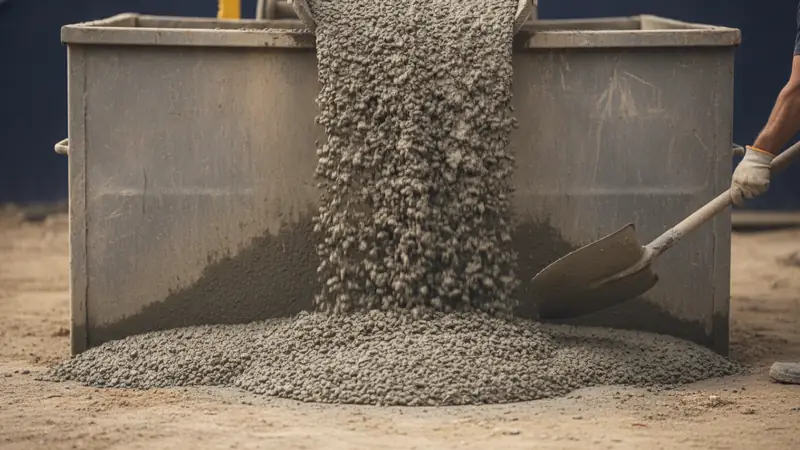
Covers what plasticisers, PCE superplasticisers, retarders, accelerators and air-entrainers each do, plus why dose comes from trial mixes.
Choosing a Waterproofing System: Four Questions First
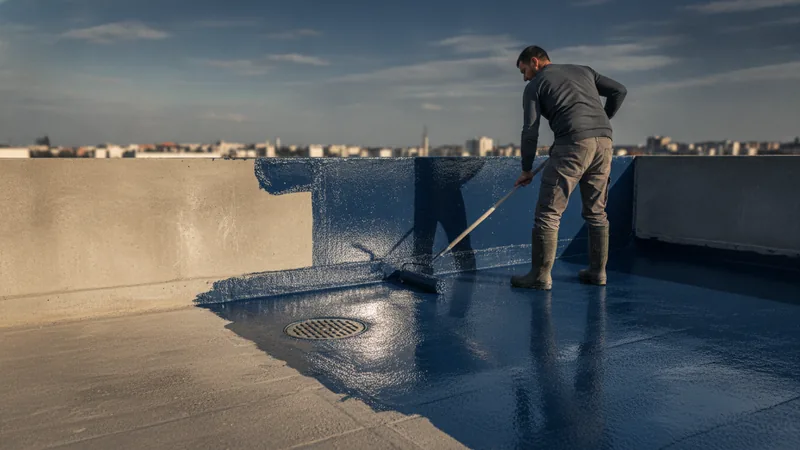
Four questions – substrate, exposure, water side, movement – then a matrix pairing seven site situations with acrylic, PU, cementitious, crystalline or bituminous.
Related products & solutions
The systems this article is about, with the published data behind them.
Downloadable resources
Current-revision documents, sent straight over.
Specifying this on a live project?
Send the substrate, the exposure and the area. We are an authorised distributor and applicator for nine manufacturer ranges, so the recommendation follows the condition rather than the stock.