Construction Chemicals, Explained by Application
Selection guides, failure diagnostics and site method notes for waterproofing, repair, grouting, flooring, joints and admixtures — written for the people who specify and apply them in India.
Reference Guides
The three we send people to most often when they call with a specification question.
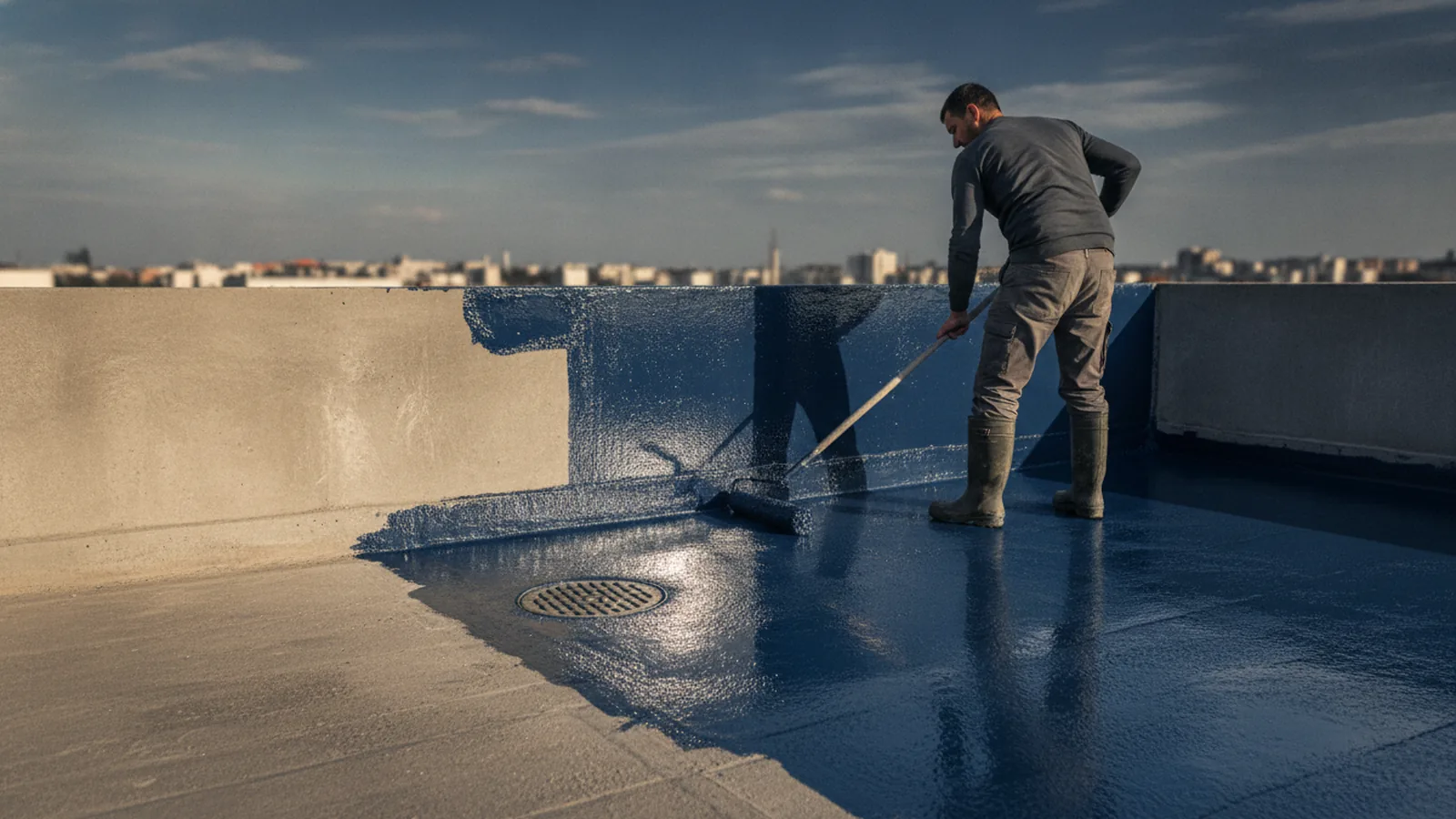
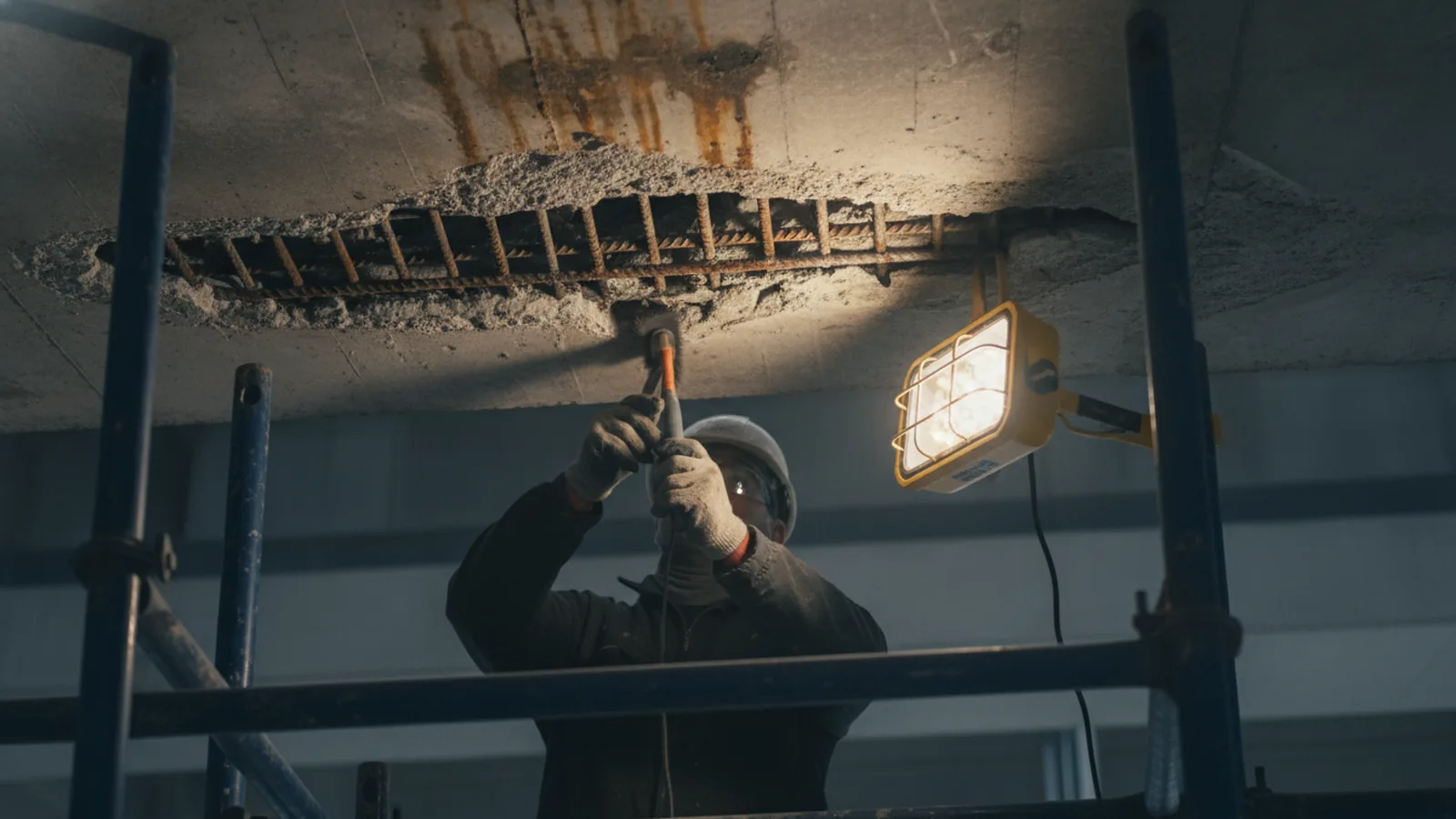
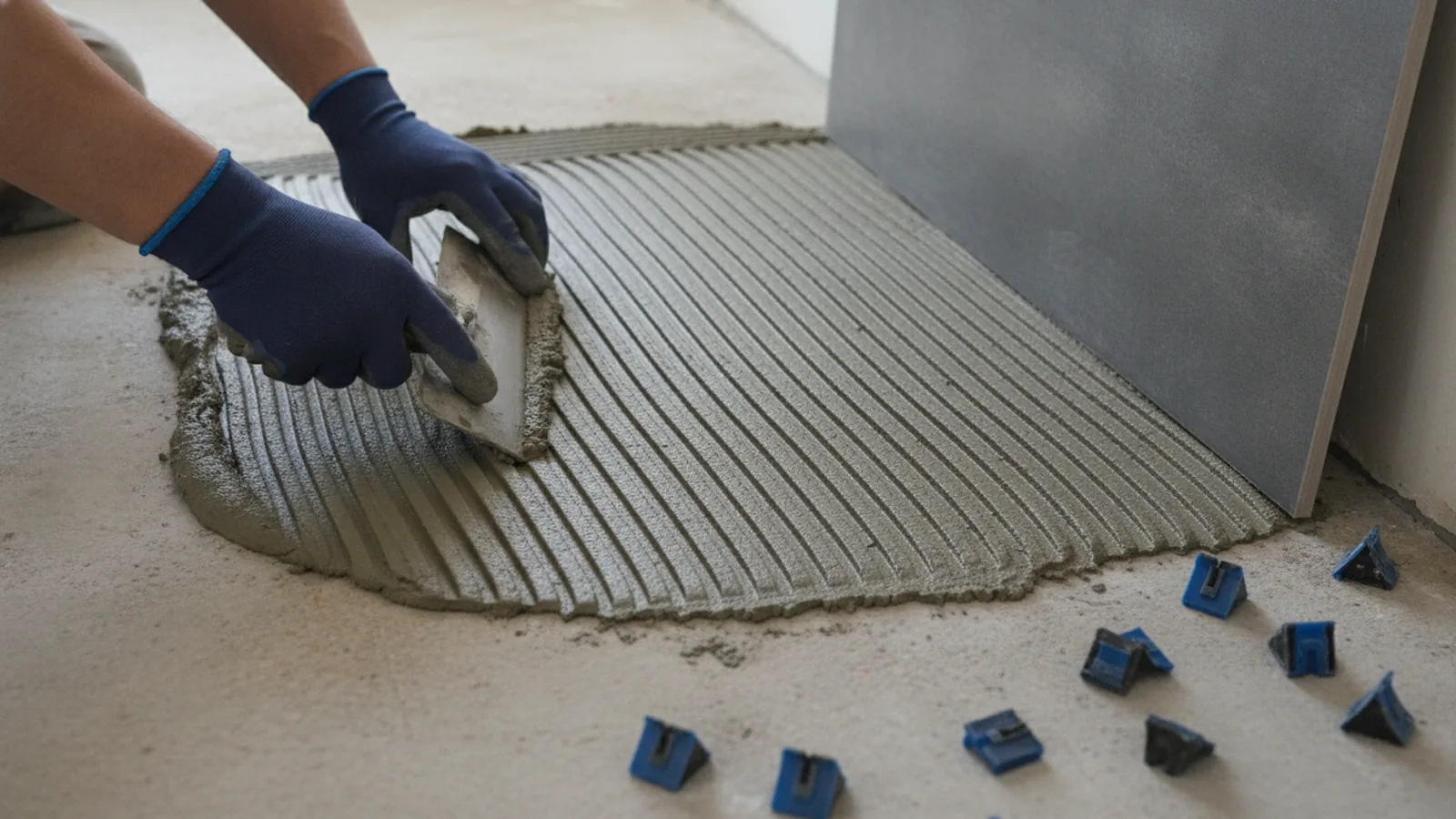
All 20 articles, filterable
Nothing here is behind pagination or a sign-up. Filter by material, by who it is written for, or by how long it takes to read.

Authorized Distributor vs Grey Market: Why It Matters
Six-point procurement checklist for spotting grey-market stock: batch numbers, shelf life, written authorization, and what voids a manufacturer warranty.

Low-VOC and Sustainable Construction Chemicals in India
Argues durability, not labels, is the defensible green claim; gives a five-point anti-greenwash check. Names IGBC and GRIHA but no VOC thresholds.

D-Seal Expansion Joints: Floor, Wall, Roof and Seismic
Sorts D-Seal into four families by joint location, then four questions — location, movement, traffic, exposure — that narrow to one profile.
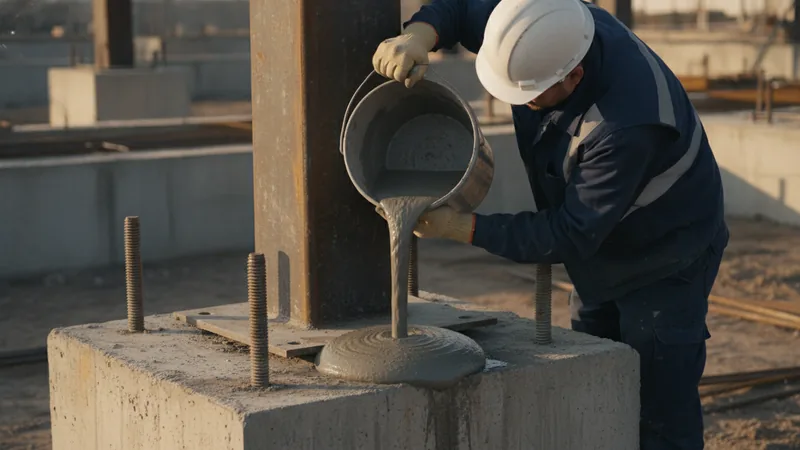
Conbextra GP1 vs GP2 vs GP3 vs EP: Which Grout Grade?
Settles cementitious GP1/GP2/GP3 versus epoxy EP first, then gives a gap-flow-strength sequence for choosing a grade. No published figures.
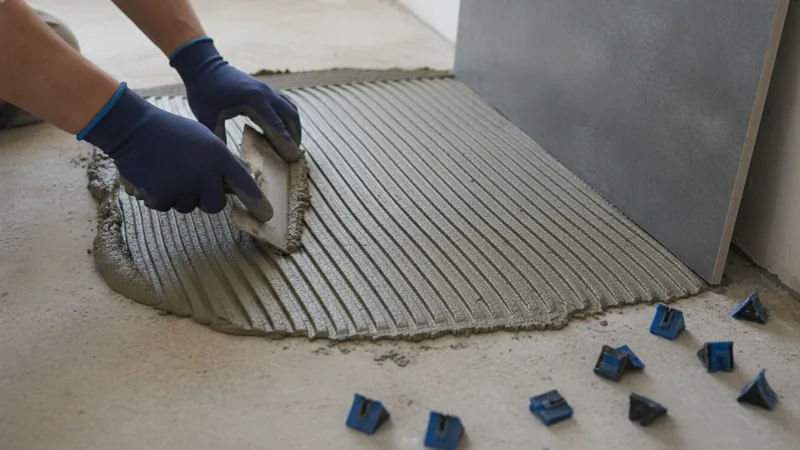
Tile Fixing: Adhesive Classes, Grouts and Why Tiles Debond
Decodes C1/C2/S1 adhesive classes, sets out the wet-area build-up order, and traces debonding and efflorescence back to their causes.
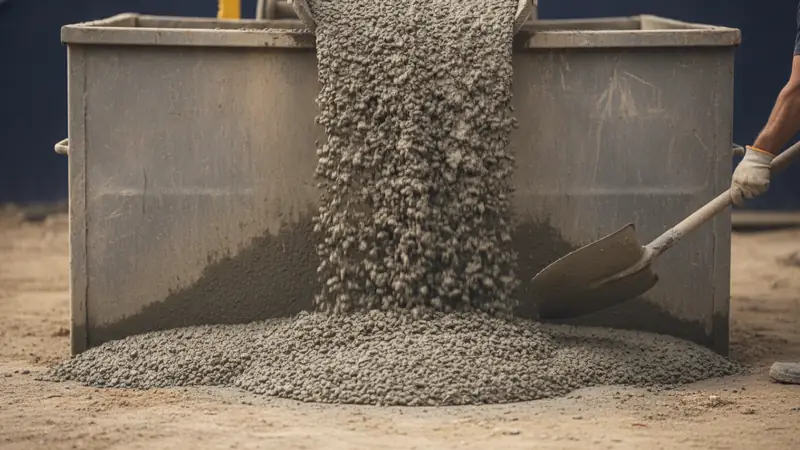
Concrete Admixtures 101: What Each Family Actually Does
Covers what plasticisers, PCE superplasticisers, retarders, accelerators and air-entrainers each do, plus why dose comes from trial mixes.
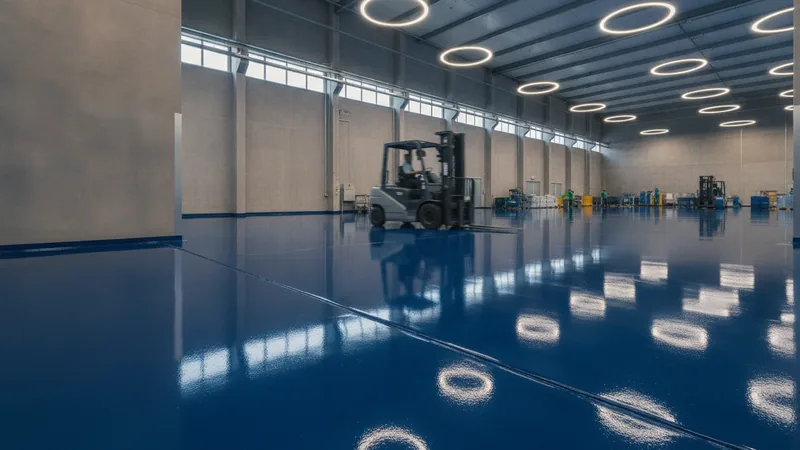
Epoxy vs PU Flooring: Which One Fits Your Facility?
Compares epoxy, PU-cement and PMMA on heat, chemicals and cure time, with thickness bands from 0.1 mm to 9 mm.

Expansion Joints Explained: Types, Selection and Installation
Explains the four joint types, how to size a gap from calculated movement, and when to use metal-and-insert versus compression seals.
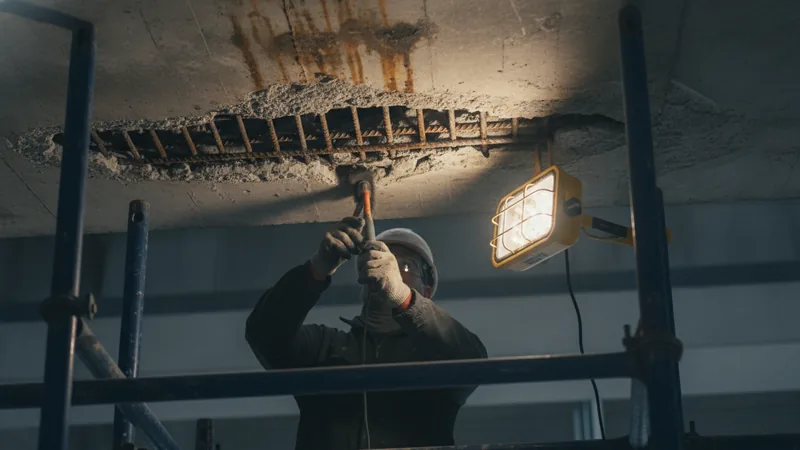
Concrete Repair: Diagnose First, Then Pick the System
How to tell carbonation from chloride attack, when to switch from repair mortar to micro-concrete, and the five surface-preparation steps.
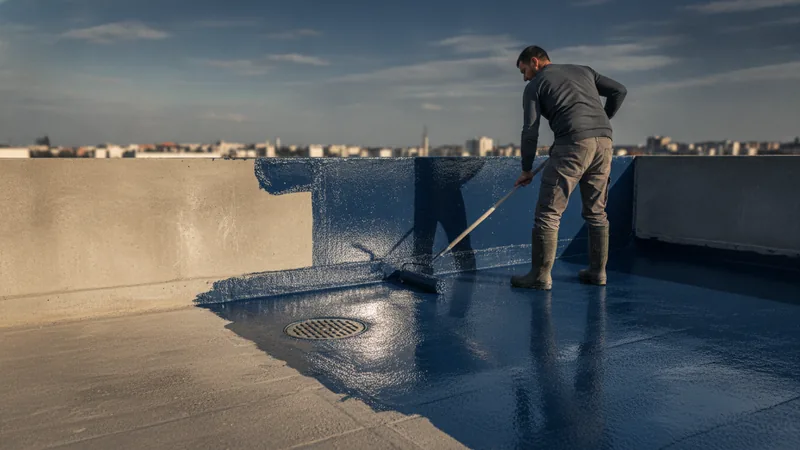
Choosing a Waterproofing System: Four Questions First
Four questions – substrate, exposure, water side, movement – then a matrix pairing seven site situations with acrylic, PU, cementitious, crystalline or bituminous.
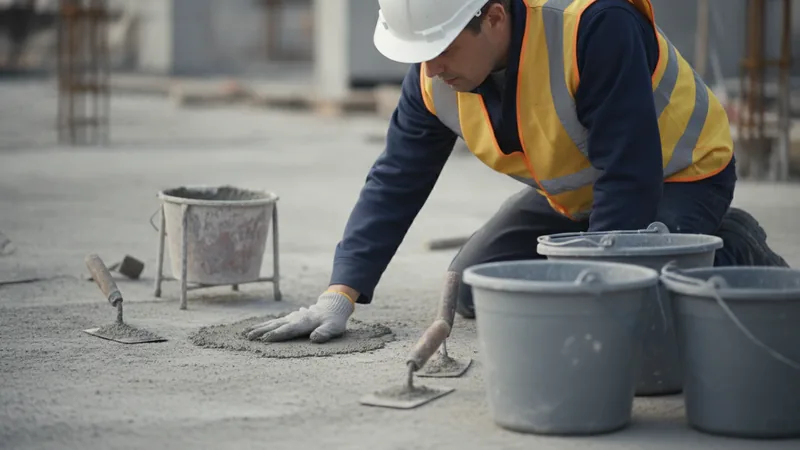
Choosing a Construction Chemical: A 3-Step Framework
A three-step method – category, brand and grade, site conditions – with named product picks across waterproofing, repair, grouting, admixtures and flooring.

Concrete Admixtures: Six Types and When to Use Each
Six admixture classes, their water-reduction ranges and retention times, plus a table matching each requirement to an IS 9103 type.
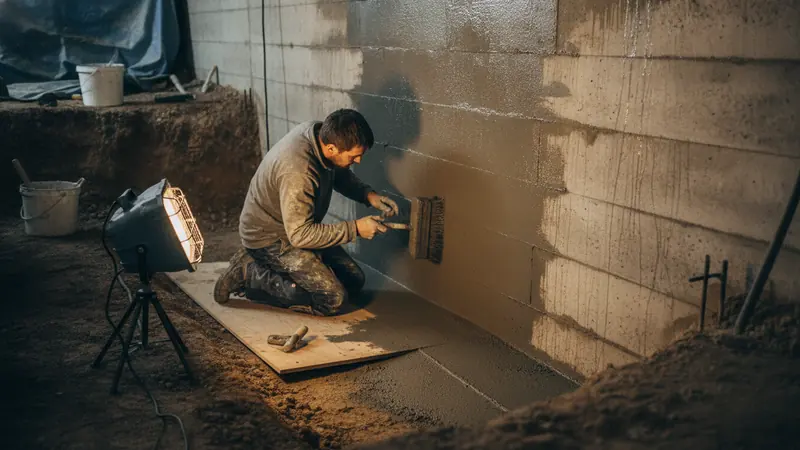
Basement Waterproofing: Positive vs Negative Side Systems
Maps five situations – new build, retrofit, water tank, terrace, penetrations – to sheet, cementitious, liquid or crystalline systems.
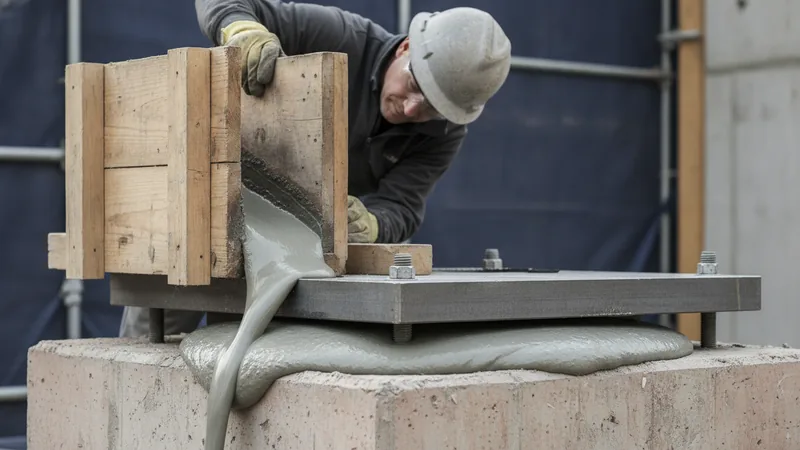
Non-Shrink Grout: Which Type, What Gap, How to Place
Six-step grouting method plus a table matching gap thickness and load type to GP1, GP2, GP3 or epoxy grout.
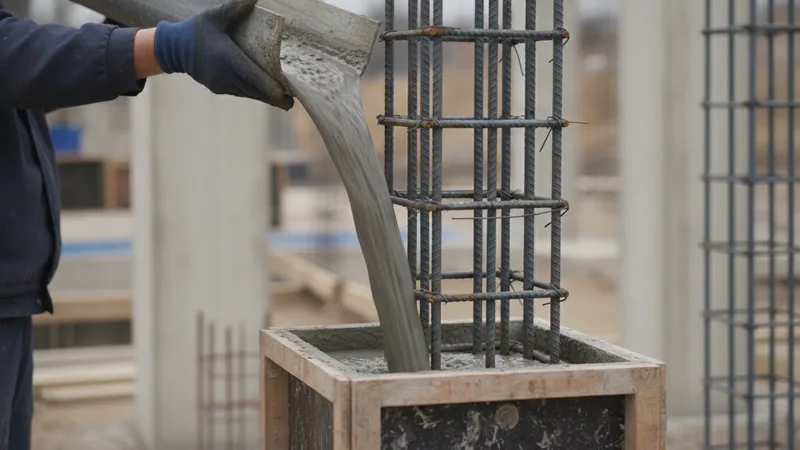
Superplasticisers in Concrete: PCE, SNF and Selection
Compares lignosulphonate, naphthalene and PCE, with the 0.5-2% by cement weight dosage band and 30%-plus water reduction.

Retarding Admixtures: When and How to Delay Concrete Set
Explains how retarders adsorb onto cement grains to delay set, and why that prevents cold joints on long pours.
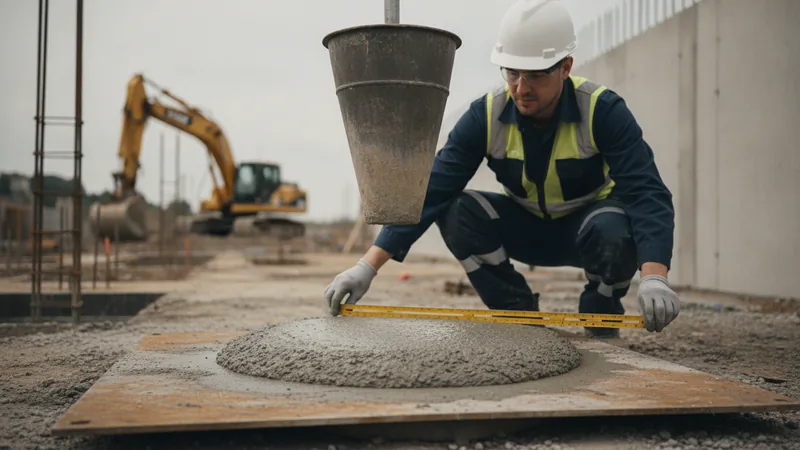
Water Reducers: Lignosulphonate vs Naphthalene vs PCE
Which water-reducer chemistry to pick: lignosulphonate, naphthalene or PCE, and where each fits — high-strength, ready-mix, precast, SCC.
Seven Admixture Types and Where Each One Is Used
Seven admixture types, each with the project types it suits — dams, cold-weather pours, high-rise. Advantages listed, no dosage or chemistry.
Concrete Admixtures: The Four Classes You Meet First
The four core admixture classes — water reducer, retarder, accelerator, air-entrainer — and what each does. Introductory; no chemistries or dosages.
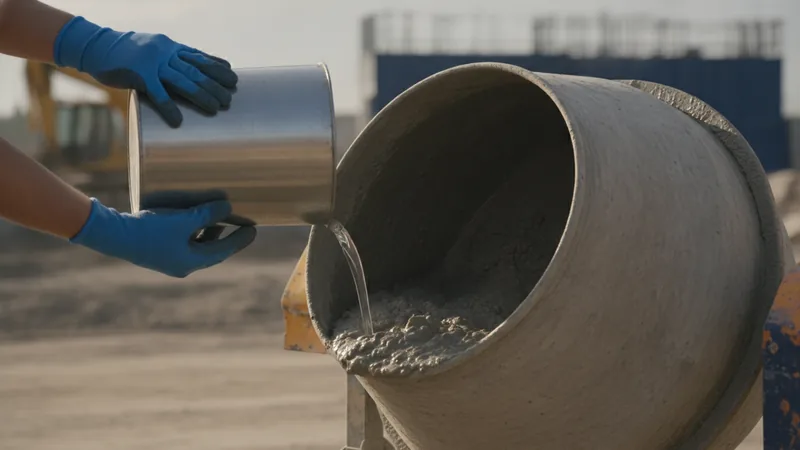
Concrete Admixtures: 15 Classes and the Chemicals in Them
Fifteen admixture classes with the actual chemistry in each, plus a pigment-to-colour table for coloured concrete. No dosage figures.
Clear a filter, or search for the material you are working with.
Browse by Material
Each one opens the matching solution hub, where the articles sit alongside the products and the selection guides.
Concrete Admixtures
Water reducers, superplasticisers, retarders and accelerators — what each does and how it is dosed.
8 articles →Waterproofing
Choosing positive or negative side systems for basements, terraces and tanks, by substrate and exposure.
3 articles →Grouts & Anchors
Selecting and placing non-shrink cementitious and epoxy grouts under base plates and machine foundations.
2 articles →Expansion Joints & Sealants
Sizing, selecting and installing movement joints for floors, walls, roofs and seismic gaps.
2 articles →Specification & Procurement
How to buy: authorised supply, batch traceability, warranty conditions and defensible sustainability claims.
2 articles →Concrete Repair
Diagnosing carbonation and chloride attack, then choosing repair mortar, micro-concrete and surface preparation.
1 article →Industrial Flooring
Epoxy, PU-cement and PMMA compared on heat, chemicals, cure time and film thickness.
1 article →Tile Fixing
Adhesive classes, wet-area build-ups, and the causes behind debonding, hollow tiles and efflorescence.
1 article →Popular reads
The pages people arrive on from search.
Epoxy vs PU Flooring: Which One Fits Your Facility?
Industrial Flooring · 13 min read
Tile Fixing: Adhesive Classes, Grouts and Why Tiles Debond
Tile Fixing · 12 min read
Choosing a Waterproofing System: Four Questions First
Waterproofing · 11 min read
Conbextra GP1 vs GP2 vs GP3 vs EP: Which Grout Grade?
Grouts & Anchors · 12 min read
Non-Shrink Grout: Which Type, What Gap, How to Place
Grouts & Anchors · 6 min read
Suggested reading
Less obvious, worth the time.
Expansion Joints Explained: Types, Selection and Installation
Expansion Joints & Sealants · 12 min read
Basement Waterproofing: Positive vs Negative Side Systems
Waterproofing · 5 min read
D-Seal Expansion Joints: Floor, Wall, Roof and Seismic
Expansion Joints & Sealants · 11 min read
Concrete Admixtures: 15 Classes and the Chemicals in Them
Concrete Admixtures · 5 min read
Related products & solutions
Every article above maps to a system we stock and apply. These are the hubs where the products, datasheets and coverage figures live.
Reading up on a job you are about to specify?
Send us the substrate, the exposure and the area. We are an authorised distributor and applicator for nine manufacturer ranges, so the recommendation follows the condition rather than the stock.