
Concrete Admixtures: Types, Uses and Selection Guide
Six admixture classes, their water-reduction ranges and retention times, plus a table matching each requirement to an IS 9103 type.
Key takeaways
- Plasticizers cut water demand 5-12%; superplasticizers reach 15-25% or more at the same slump.
- SNFC superplasticizers hold workability 30-60 minutes; PCE chemistry holds 2-3 hours and suits fly ash and GGBS.
- Chloride-bearing admixtures are prohibited under IS 456 for reinforced, prestressed and post-tensioned concrete.
The short version
Everything you need to know about concrete chemical admixtures — plasticizers, superplasticizers, retarders, accelerators, waterproofing admixtures, and more. Learn which admixture to use for your concrete mix and why.
What are Concrete Admixtures?
Concrete admixtures are chemical compounds added to concrete mixes — apart from water, cement, and aggregates — to modify one or more properties of the fresh or hardened concrete. They are added in small quantities (typically 0.1–2% by weight of cement) and can achieve significant improvements in workability, setting time, strength, durability, permeability, and other performance characteristics that would be difficult or uneconomical to achieve by modifying the basic mix design alone.
Modern construction increasingly relies on admixtures — ready-mix concrete plants routinely use multiple admixtures simultaneously to hit the competing requirements of high workability (for placing), low water-cement ratio (for strength and durability), and controlled set time (for transport and finishing). Understanding the main admixture types helps engineers and contractors specify the right product for each application.
Main Types of Concrete Admixtures
1. Water-Reducing Admixtures (Plasticizers)
Plasticizers (also called normal-range water reducers or ASTM Type A/F) reduce the water demand of a concrete mix by 5–12% while maintaining the same slump. They work by dispersing cement particles that would otherwise clump together, allowing them to hydrate more efficiently. The result is concrete that can be placed at higher slump with less water — improving both workability and strength (since lower water-cement ratio = higher strength). Standard plasticizers are used in M25–M35 grade concrete for most building applications.
2. High-Range Water Reducers (Superplasticizers)
Superplasticizers achieve water reduction of 15–25% or more. The older generation used sulphonated naphthalene formaldehyde (SNFC) chemistry — exemplified by Fosroc Conplast SP430 — which is effective but offers limited workability retention (concrete stiffens within 30–60 minutes of dosing). The newer generation uses polycarboxylate ether (PCE) chemistry, offering higher water reduction, longer workability retention (2–3 hours), and better compatibility with supplementary cementitious materials like fly ash and GGBS. PCE superplasticizers are the standard for modern RMC plants, high-rise concrete, and M40+ grade structural concrete.
3. Retarding Admixtures
Retarders slow the initial setting of concrete — delaying the time available for transporting, placing, and finishing. Essential for long-haul ready-mix concrete, mass concrete pours where heat of hydration must be managed, hot weather concreting where rapid stiffening would prevent proper placement, and slip form construction where continuous placement over many hours is required. Retarders typically extend workability by 1–4 hours depending on type and dose.
4. Accelerating Admixtures
Accelerators speed up the hardening of concrete — achieving higher early strength so that formwork can be struck earlier, surfaces can receive loads sooner, or curing time is shortened in cold weather. Non-chloride accelerators are preferred for reinforced concrete (chloride-based accelerators are banned for RCC in most Indian standards due to corrosion risk). Accelerators are commonly used in precast concrete production, cold weather concreting (below 10°C), shotcrete for tunnel lining, and repair applications where rapid return to service is needed.
5. Waterproofing Admixtures
Waterproofing admixtures reduce the permeability of hardened concrete to water and water-dissolved salts. They work by filling the capillary pore network within the cement paste through chemical reaction (crystalline admixtures) or by lining the pore walls with hydrophobic compounds that repel water (hydrophobic admixtures). Used in water-retaining structures, basement raft slabs, liquid containment structures, bridge decks, marine structures, and any concrete requiring enhanced durability against chloride and sulphate attack. Used alongside bonding agents in repair scenarios.
6. Air-Entraining Admixtures
Air-entraining admixtures introduce a system of microscopic, uniformly distributed air bubbles (typically 3–8% by volume) into the concrete. The primary purpose is to improve freeze-thaw resistance — the air voids provide pressure relief when pore water freezes and expands. Used mainly in cold climates and in pavement concrete. Less commonly specified in tropical and sub-tropical India except for high-altitude construction, cold storage facilities, and projects with international specifications.
Important Considerations When Using Admixtures
- Always do a trial mix: The interaction between admixtures, cement type (OPC/PPC), aggregate characteristics, water quality, and ambient temperature affects performance significantly. Never rely solely on the manufacturer’s standard dosage — verify with site trial mixes
- Compatibility check: Not all admixtures are compatible with each other or with all cement types. Polycarboxylate superplasticizers can behave differently with different cement sources even within the same grade. Always confirm compatibility before large-scale use
- Chloride-free for RCC: Always specify chloride-free admixtures for reinforced, prestressed, and post-tensioned concrete. Chloride ions accelerate steel corrosion and are prohibited under IS 456 for structural concrete
- Avoid over-dosing: Excessive admixture dose can cause excessive retardation, severe segregation (with superplasticizers), air entrainment, or unpredictable set behaviour. Follow manufacturer guidelines and adjust based on trial mix results
- Store and handle correctly: Most liquid admixtures should be protected from freezing (which may cause irreversible separation) and from contamination by other chemicals. Check shelf life — most are 12 months from manufacture
Sourcing Concrete Admixtures in Delhi NCR
Space Arc Engineering supplies concrete admixtures from Fosroc, Sika, and MC Bauchemie across Delhi, Noida, Ghaziabad, Gurugram, and Faridabad. We can recommend the right admixture for your mix design, including Fosroc Conplast SP430 superplasticizer and other performance admixtures.
Quick Selection Reference
A summary of the sections above. The datasheet for the product you finally choose governs every figure here.
| Requirement | Admixture Type | Standard |
|---|---|---|
| Higher slump for pumping or congested steel | Superplasticizer | IS 9103 Type F |
| High strength (M40+) without increasing water | PCE Superplasticizer | IS 9103 Type F |
| Long transport distance (RMC, >60 min) | Retarder + superplasticizer | IS 9103 Type B |
| Early demoulding / fast-track construction | Accelerator (non-chloride) | IS 9103 Type C |
| Water-retaining structure, basement, marine | Waterproofing admixture / crystalline | IS 9103 Type P |
| SCC (Self-Compacting Concrete) | PCE superplasticizer + viscosity modifier | EFNARC SCC guidelines |
Related articles
Three more from the same corner of the catalogue.
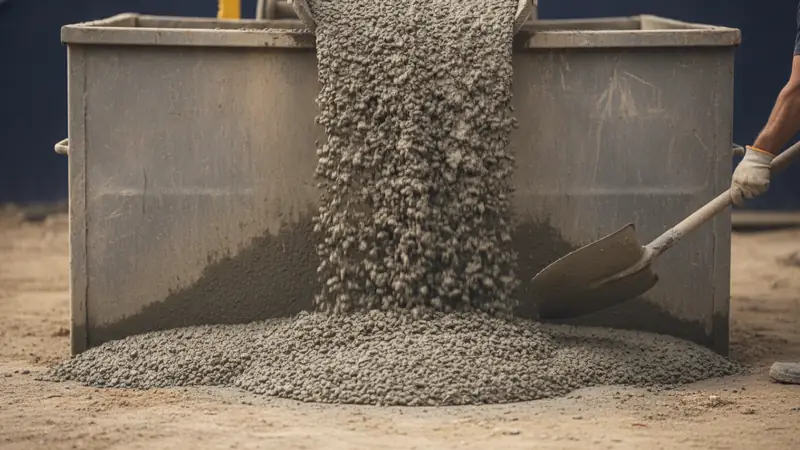
Concrete Admixtures 101: What Each Family Actually Does
Covers what plasticisers, PCE superplasticisers, retarders, accelerators and air-entrainers each do, plus why dose comes from trial mixes.
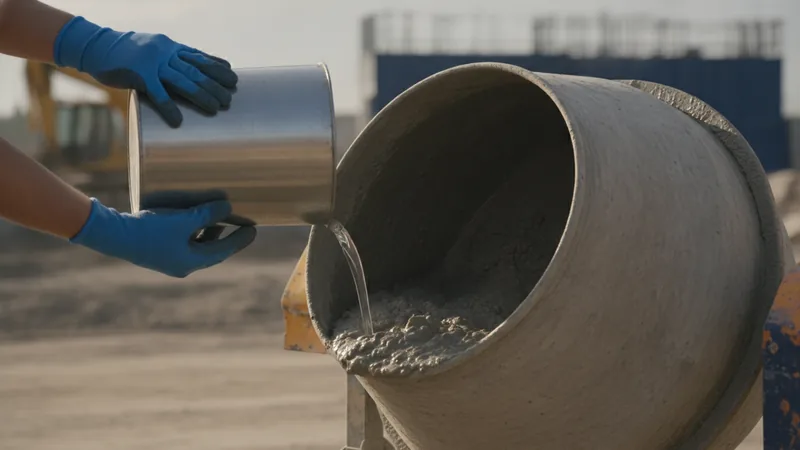
Concrete Admixtures: 15 Classes and the Chemicals in Them
Fifteen admixture classes with the actual chemistry in each, plus a pigment-to-colour table for coloured concrete. No dosage figures.
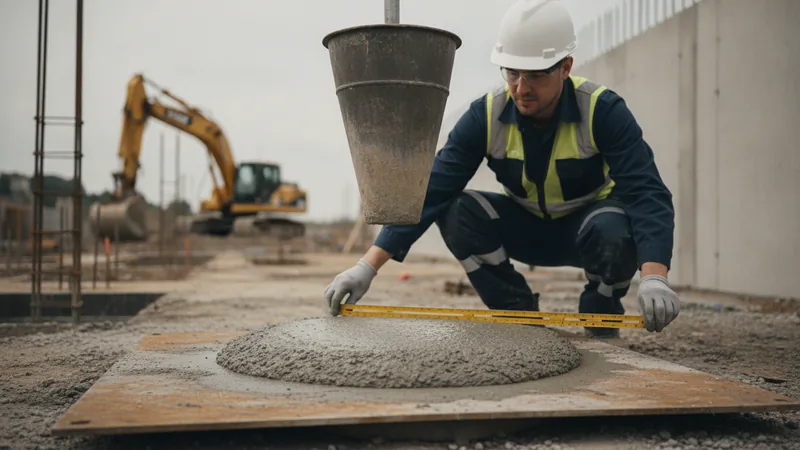
Water Reducers: Lignosulphonate vs Naphthalene vs PCE
Which water-reducer chemistry to pick: lignosulphonate, naphthalene or PCE, and where each fits — high-strength, ready-mix, precast, SCC.
Related products & solutions
The systems this article is about, with the published data behind them.
Downloadable resources
Current-revision documents, sent straight over.
Specifying this on a live project?
Send the substrate, the exposure and the area. We are an authorised distributor and applicator for nine manufacturer ranges, so the recommendation follows the condition rather than the stock.