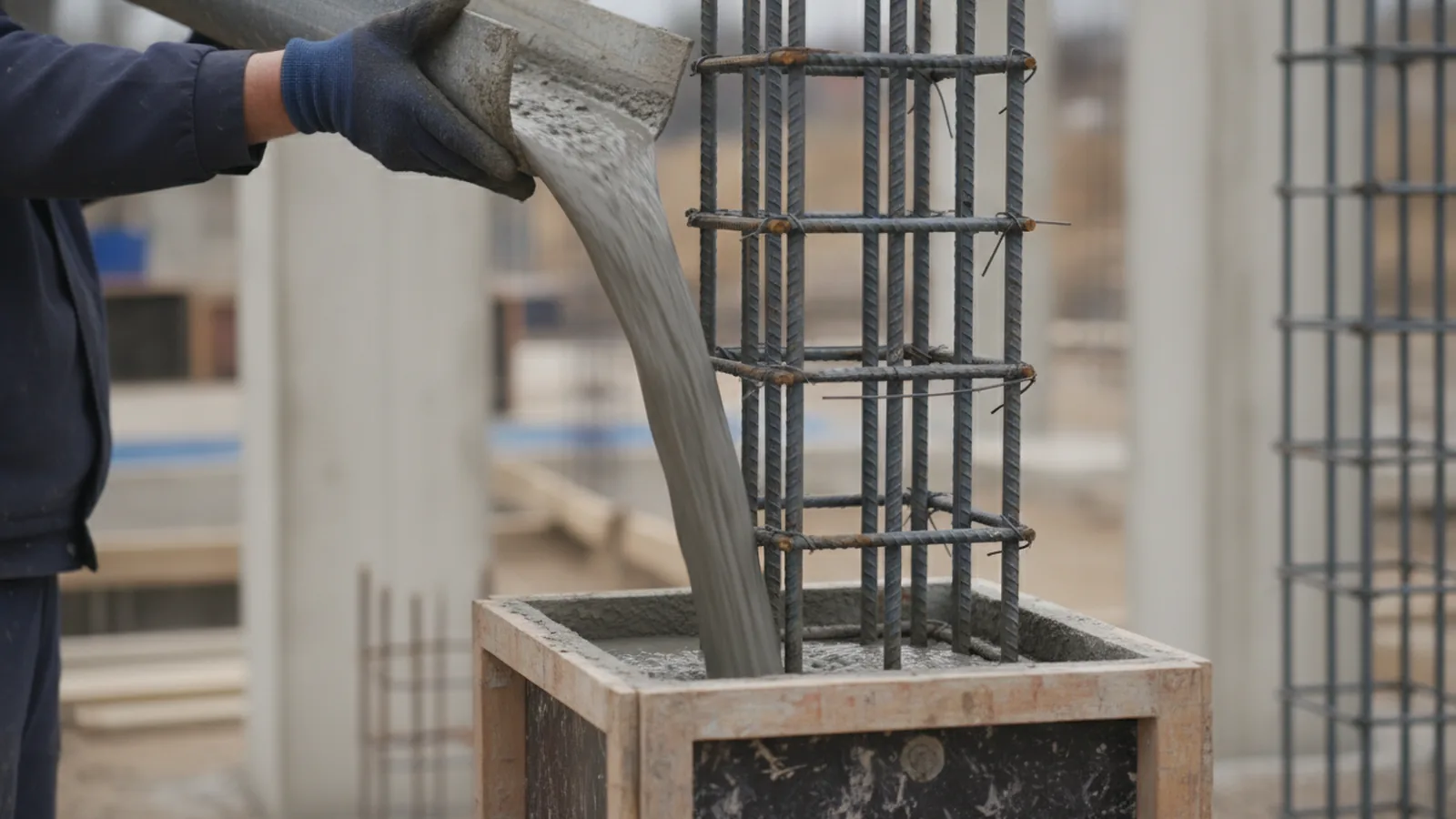
Superplasticisers in Concrete: PCE, SNF and Selection
Compares lignosulphonate, naphthalene and PCE, with the 0.5-2% by cement weight dosage band and 30%-plus water reduction.
Key takeaways
- Typical superplasticiser dosage is 0.5 to 2 percent by weight of cement, higher for SCC
- Superplasticisers reduce water content by 30 percent or more, far beyond ordinary water reducers
- PCE is required for self-compacting concrete; lignosulphonate is the weakest of the three families
Introduction to Superplasticizers
Superplasticizers, also known as high-range water reducers, are essential components in modern concrete mix designs. These chemical admixtures enhance the fluidity of concrete, allowing for easy placement, improved workability, and reduced water content. Whether you’re working on large-scale infrastructure projects or smaller residential builds, superplasticizers have become the go-to solution for producing high-quality concrete with enhanced performance.
Types of Superplasticizers
Lignosulfonates-Based Superplasticizers
These are among the earliest superplasticizers used in concrete. Derived from wood pulp, lignosulfonates are effective in reducing water content and enhancing workability. However, they are generally less effective than newer types like Polycarboxylate Ether (PCE).
Naphthalene Sulfonate Superplasticizers
Naphthalene-based superplasticizers are widely used in both ready-mix and precast concrete. These additives are effective in producing high-strength concrete with a longer working time, ideal for large construction projects.
Polycarboxylate Ether (PCE) Superplasticizers
PCE superplasticizers are the most advanced type, offering superior water reduction and increased concrete strength. These are essential in producing self-compacting concrete and are commonly used in high-performance and high-strength concrete applications.
Superplasticizer Dosage
The dosage of superplasticizers varies depending on the specific concrete mix and desired properties. Typically, the dosage ranges between 0.5% and 2% by weight of cement. Higher dosages are often used in high-strength concrete or self-compacting concrete.
Factors like temperature, cement type, and the desired workability can affect the amount of superplasticizer needed. Always consult manufacturer guidelines for precise dosing.
Superplasticizer vs Water Reducer
Though superplasticizers and water reducers may seem similar, there is a distinction. Water reducers are typically used in low to moderate strength concrete, whereas superplasticizers are designed for high-strength or specialized applications. Superplasticizers offer a much higher range of water reduction compared to standard water reducers — capable of reducing water content by 30% or more.
Benefits of Superplasticizers in Concrete
- Strength Enhancement: Superplasticizers allow for a lower water-to-cement ratio, which directly contributes to higher strength concrete.
- Improved Workability: Ensures that the mix remains fluid and workable, eliminating the need for additional water which could weaken the mix.
- Durability Improvements: Reduces permeability and resistance to aggressive environmental factors like freeze-thaw cycles and chemical attack.
- Self-Compacting Concrete (SCC): PCE superplasticizers are essential in creating SCC, enabling concrete to flow freely into tight spaces without the need for vibration.
Superplasticizer Manufacturers
Space Arc Engineering is an authorized distributor of brands like Fosroc Construction Chemicals India, MC Bauchemie India, Pidilite, Dr Fixit, and Master Builders Solutions.
Related articles
Three more from the same corner of the catalogue.
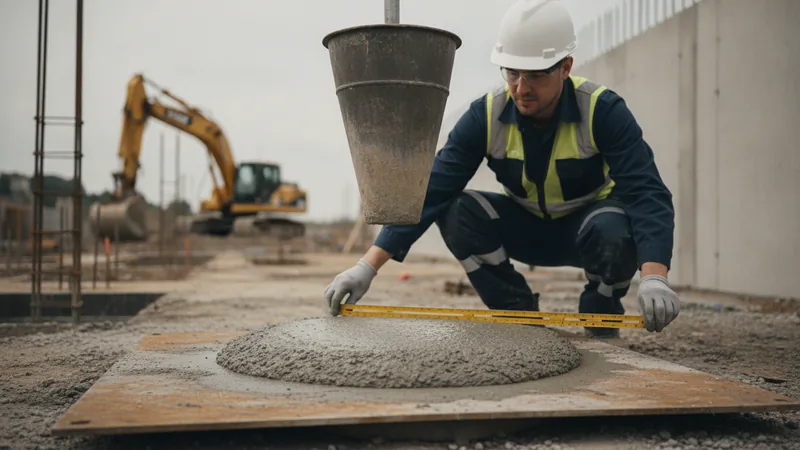
Water Reducers: Lignosulphonate vs Naphthalene vs PCE
Which water-reducer chemistry to pick: lignosulphonate, naphthalene or PCE, and where each fits — high-strength, ready-mix, precast, SCC.
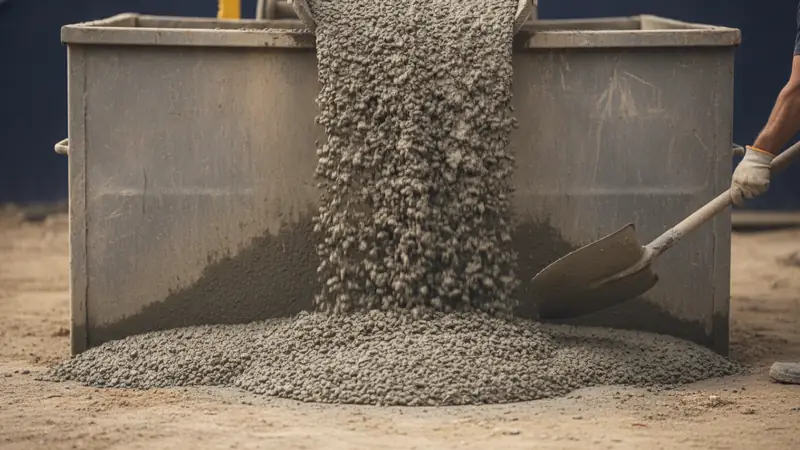
Concrete Admixtures 101: What Each Family Actually Does
Covers what plasticisers, PCE superplasticisers, retarders, accelerators and air-entrainers each do, plus why dose comes from trial mixes.
Concrete Admixtures: Six Types and When to Use Each
Six admixture classes, their water-reduction ranges and retention times, plus a table matching each requirement to an IS 9103 type.
Related products & solutions
The systems this article is about, with the published data behind them.
Downloadable resources
Current-revision documents, sent straight over.
Specifying this on a live project?
Send the substrate, the exposure and the area. We are an authorised distributor and applicator for nine manufacturer ranges, so the recommendation follows the condition rather than the stock.