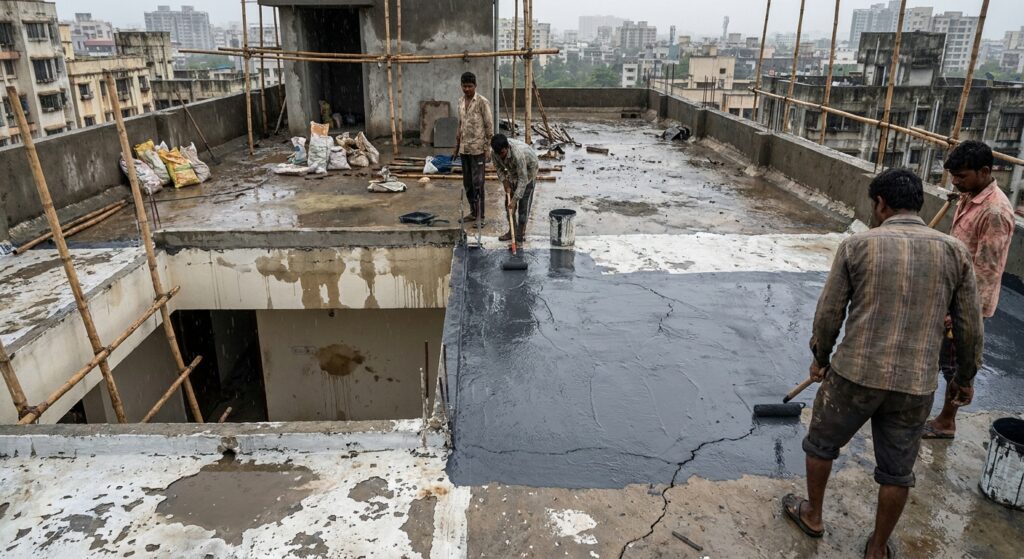
Terrace Waterproofing Coating: Preventing Slab Leaks
Learn why rigid terrace coatings crack and leak every monsoon, and how Space Arc Engineering supplies flexible Fosroc systems to protect your concrete slabs.

Learn why rigid terrace coatings crack and leak every monsoon, and how Space Arc Engineering supplies flexible Fosroc systems to protect your concrete slabs.
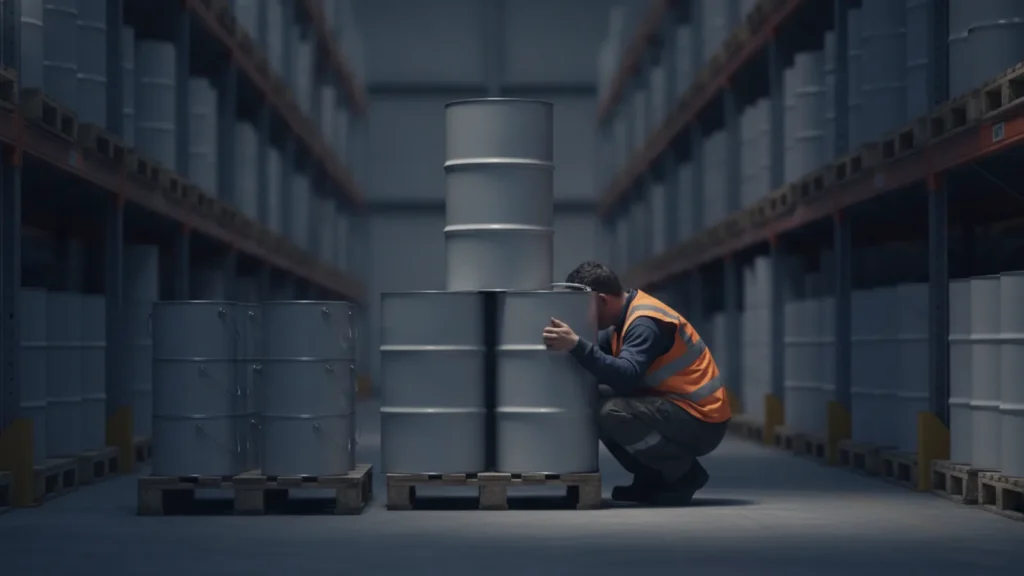
A waterproofing membrane or structural grout is only as good as the supply chain behind it. Counterfeits, repacked grey-market stock, and the wrong grade for the condition quietly cause most premature failures on Indian sites. This piece explains what an authorized distributor actually changes — batch traceability, warranty, applicator support — and why it belongs on your procurement checklist.

Green building has moved from a niche credential to a default expectation on Indian projects. Here’s how low-VOC coatings, longer-lasting concrete and water-conserving admixtures are reshaping specifications — and what site teams should actually ask for.

Every building moves with temperature, drying shrinkage, settlement and seismic action. D-Seal expansion joint systems give you a coordinated family of covers and seals for floors, walls, roofs and large seismic gaps. This spotlight maps the range to where each product actually fits on an Indian project.
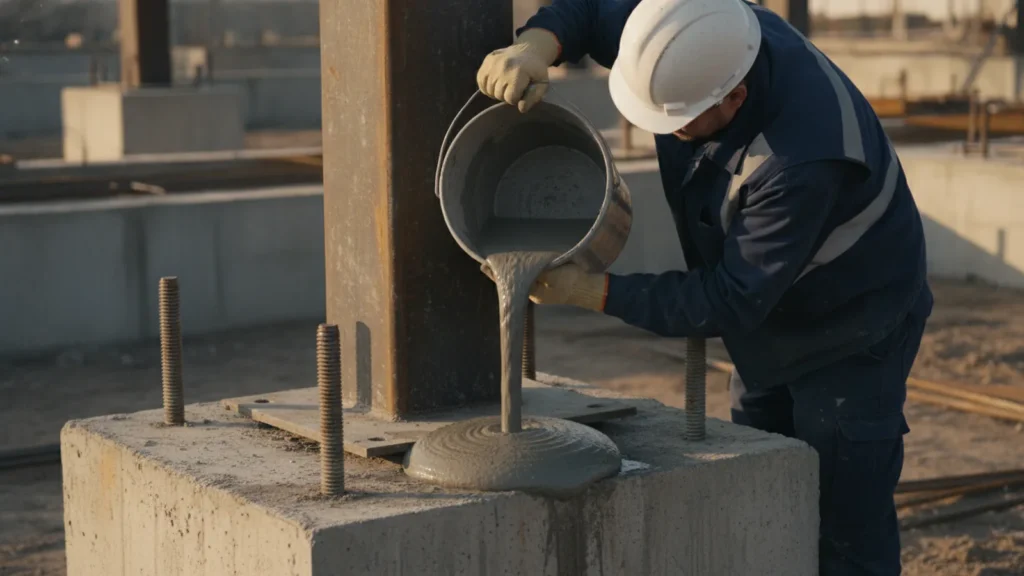
Conbextra is the name most Indian site engineers reach for when a baseplate, anchor bolt or machine foundation needs a precise, non-shrink fill. But GP1, GP2, GP3 and the epoxy EP grades are not interchangeable. This Space Arc spotlight breaks down cementitious versus epoxy grouts, flow grades, and how to select by gap, flow and strength.
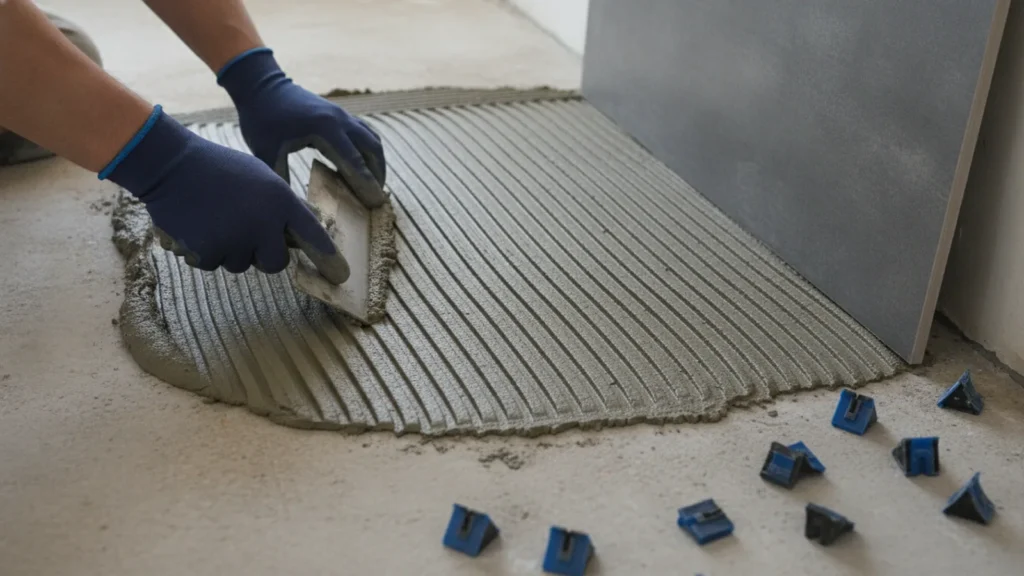
Tile failures are rarely about bad tiles. They trace back to the wrong adhesive class, a skipped wet-area detail, or grout chosen on price. Here is how to specify and lay tiles that stay put.
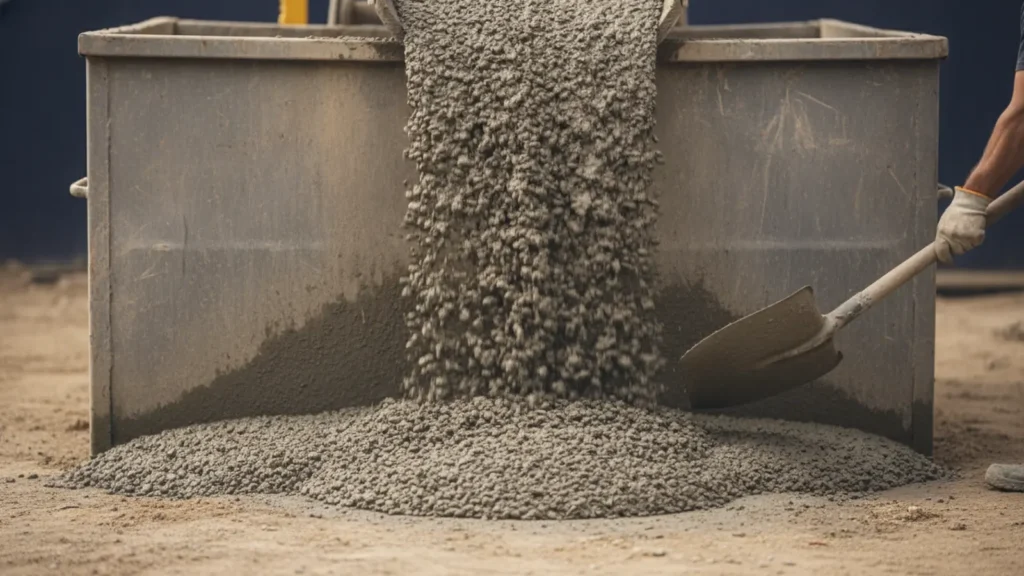
Admixtures are the cheapest, most powerful lever you have over fresh and hardened concrete. This guide explains what each family does, where it fits, and how to dose and trial it correctly for Indian site and RMC conditions.
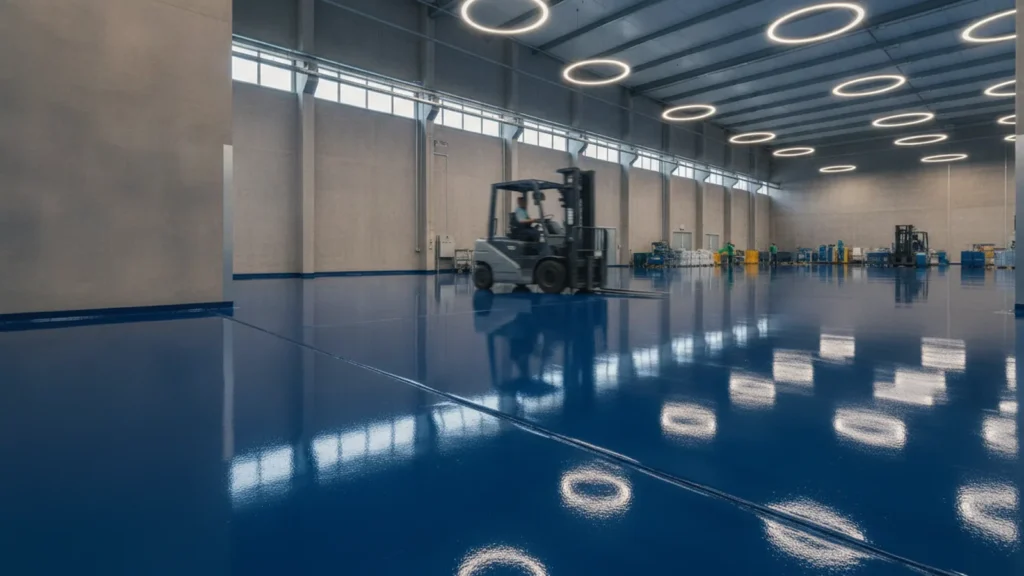
Epoxy or polyurethane? The right industrial floor depends on your loads, chemicals, temperatures and how much downtime you can afford. This guide breaks down self-levelling epoxy versus PU and PMMA across the applications that matter most to Indian facilities — food and pharma, warehouses, car parks and process plants — so you can specify with confidence.
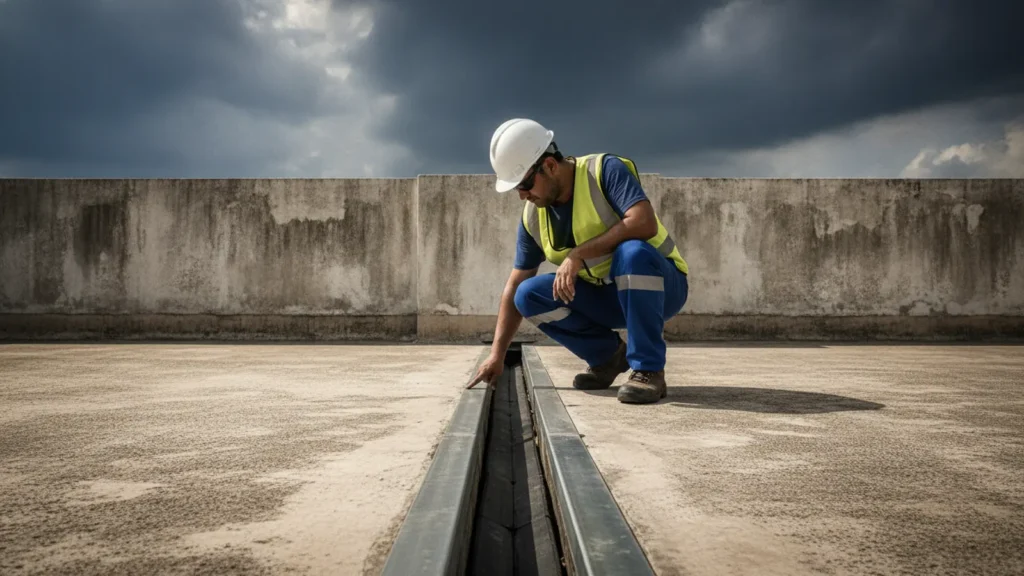
Movement joints are where most buildings start to leak, crack and fail. This guide explains why they matter, the main joint types across floors, walls, roofs, parking decks and seismic gaps, how to size the gap for the movement and traffic expected, and how to choose between metal-and-insert systems and compression seals — with installation practice tuned to Indian climate and construction.
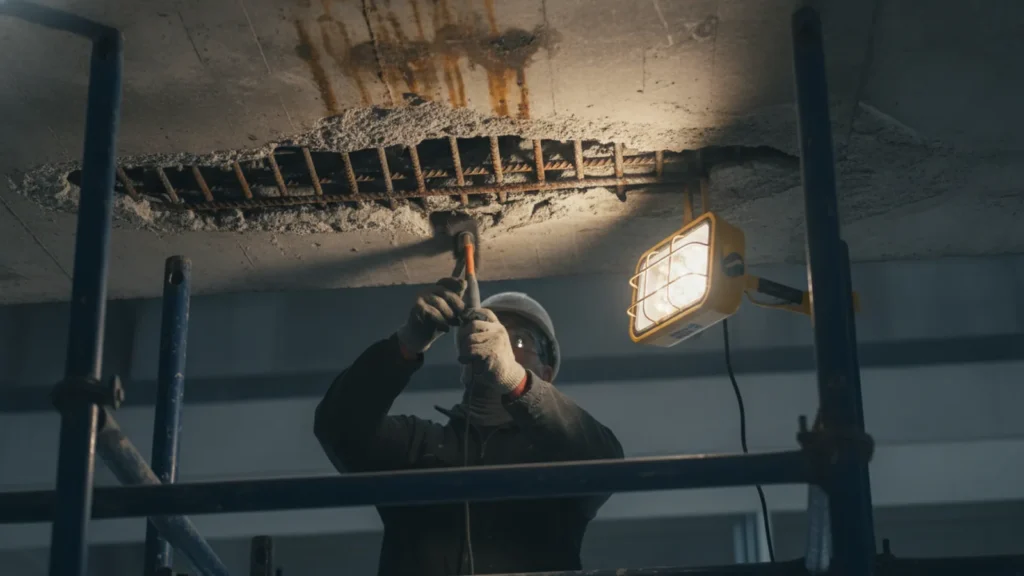
Cracks, spalling and rusting rebar don’t fix themselves. This guide takes Indian engineers and contractors through diagnosis, the right repair materials, surface preparation and a workable method statement, so repairs last decades, not one monsoon.